
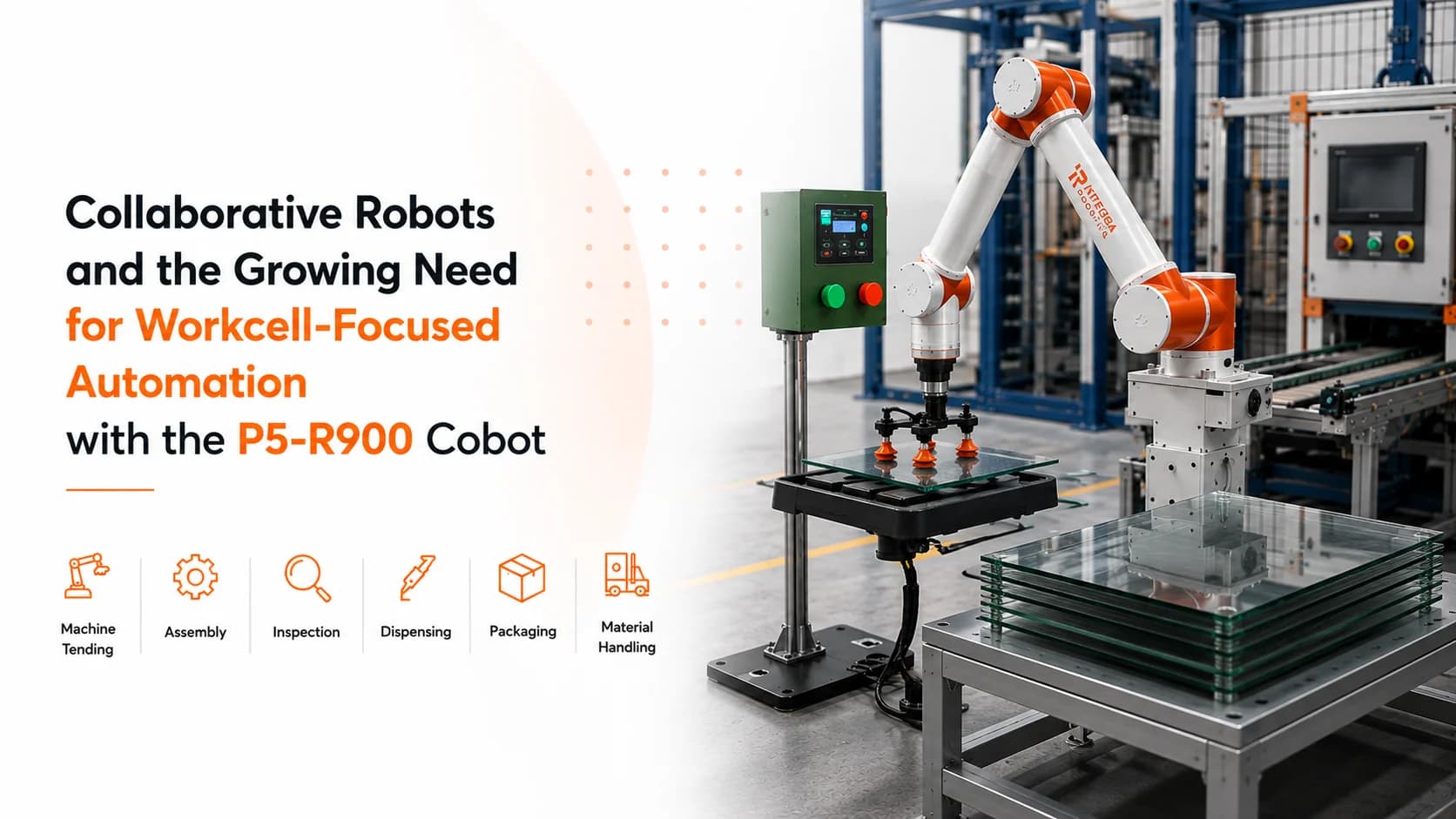
Collaborative Robots and the Growing Need for Workcell-Focused Automation with the P5-R900 Cobot
A look at why manufacturers are automating at the workcell level rather than replacing entire lines, and how the P5-R900 supports flexible system integration and repeatable task execution across compact production cells.
On this page
- Why workcell automation is becoming the next stage of manufacturing
- A Collaborative Robot Performs Best as Part of the Complete Workcell
- Looking at the Complete Cobot Platform
- Workcell automation depends on more than cobot motion
- Designing around manufacturing workflows rather than individual applications
- Where the P5-R900 Fits in India's Manufacturing Transformation
Automation in India is increasingly being introduced at the workcell level, allowing manufacturers to modernise individual production processes without redesigning entire production lines.
Rather than commissioning entirely new production lines, manufacturers are increasingly identifying repetitive operations around existing machines, assembly stations and material flow where automation can be introduced with minimal disruption. This shift has changed the role of collaborative robots. They're no longer viewed as standalone robotic systems — they're becoming an integral part of the production cell itself.
These are the production cells the P5-R900 was designed to support.
Instead of beginning with payload or maximum speed, the objective was to build a collaborative robot that integrates naturally into compact workcells, supports a broad range of industrial peripherals and adapts to changing manufacturing requirements without demanding an entirely new production environment.
The result is a workcell collaborative robot developed around repeatable task execution, flexible system integration and practical deployment across modern manufacturing operations.
Why workcell automation is becoming the next stage of manufacturing
Manufacturing has evolved beyond high-volume, single-product production lines. Today's production environments are expected to accommodate shorter production runs, greater product variation and frequent changeovers while maintaining consistent throughput. Rather than replacing entire production lines, many manufacturers are introducing automation at the workcell level — improving individual processes that continue to rely on repetitive manual intervention. Machine loading, part transfer, packaging and component presentation may appear to be isolated operations, but together they influence cycle time, operator utilisation and overall production consistency.
Collaborative robots have become increasingly relevant in these environments because they integrate into existing production cells without requiring the surrounding workflow to be fundamentally redesigned. Instead of automating an entire line at once, manufacturers can optimise specific production processes while preserving the flexibility to adapt as requirements evolve. The P5-R900 was developed for exactly these production environments, where workcell integration, repeatable task execution and deployment flexibility are central to successful automation.
A Collaborative Robot Performs Best as Part of the Complete Workcell
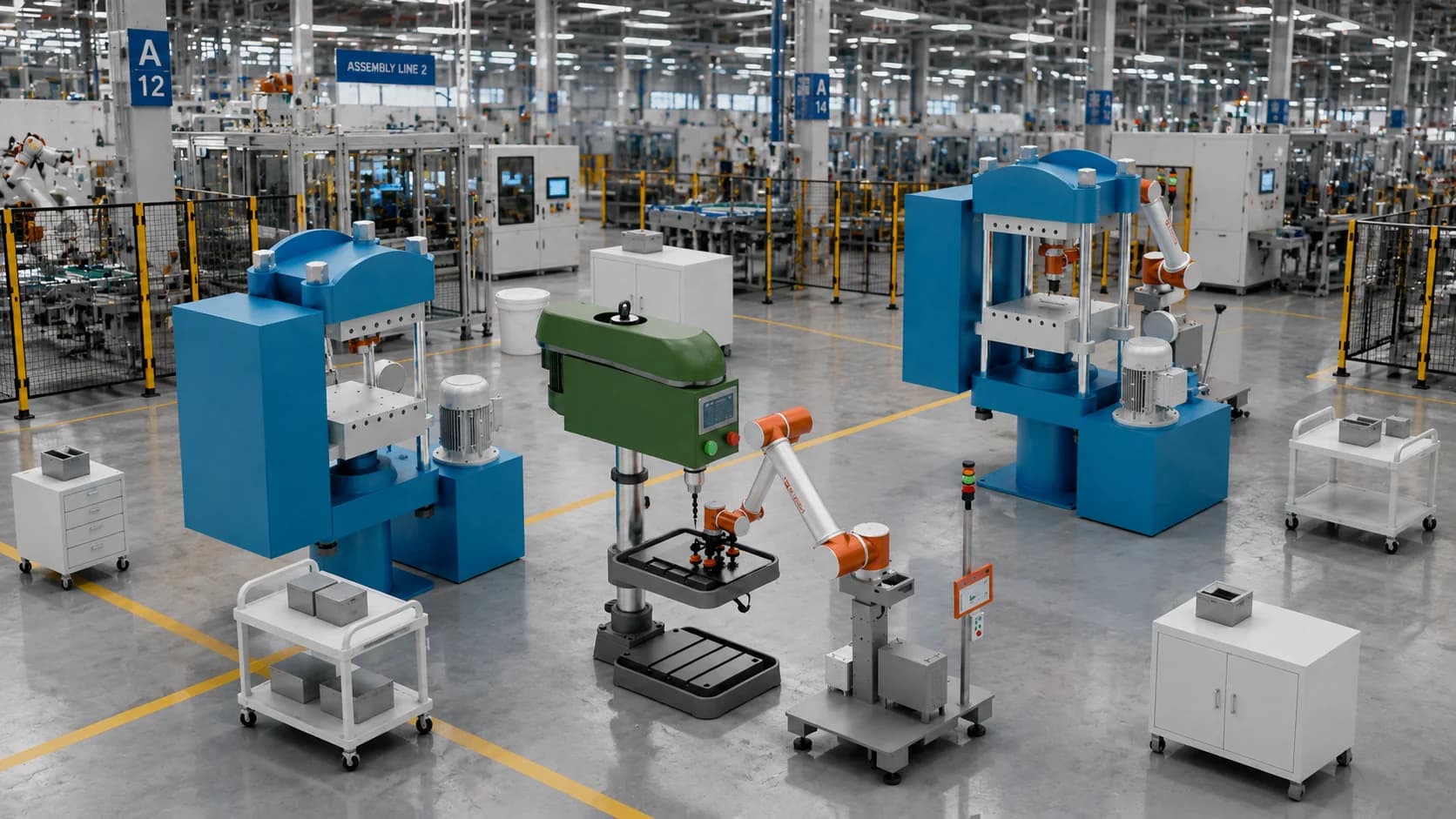
Every collaborative robot operates within a much larger production environment. End-effectors, fixtures, machine vision, production control systems and operator workflows each contribute to the overall performance of the workcell, allowing every movement to become part of a coordinated manufacturing process. When these systems work together, automation extends beyond robot motion and becomes an integrated part of daily production.
This systems-level approach has made collaborative robots increasingly relevant across modern manufacturing. Rather than functioning as standalone machines, they connect with surrounding equipment, exchange production signals, support different tooling configurations and adapt to changing production requirements. The result is a workcell where every subsystem contributes towards repeatable task execution and consistent manufacturing performance.
The P5-R900 was developed with this philosophy at its core. Compatibility with a broad range of end-effectors, support for production control systems, teach pendant programming, SDK integration and ROS allow the platform to integrate naturally into different workcell architectures and engineering workflows. Whether deployed alongside a CNC, conveyor system, packaging line or assembly station, the same platform can support different automation strategies while maintaining a familiar integration experience.
As manufacturing continues to evolve, workcells are becoming increasingly connected, adaptable and application-focused. The P5-R900 was designed to evolve alongside those environments, providing manufacturers and system integrators with a collaborative robot that fits naturally into the wider production ecosystem while supporting the flexibility expected from modern industrial automation.
Looking at the Complete Cobot Platform
Cobot specifications are often the first comparison made during product evaluation.
- Payload.
- Reach.
- Repeatability.
These parameters remain important, but they rarely describe how well a cobot will perform inside a complete production cell.
The P5-R900 combines a 5 kg payload, 900 mm reach and ±0.03 mm repeatability to support the operating envelope commonly required across compact workcell automation. These specifications are intended to support applications where controlled movement, repeatable positioning and workspace accessibility carry greater practical importance than simply moving heavier loads.
Equally important is how those specifications translate into production.
Can the cobot reach both the machine and the output tray without unnecessary repositioning?
Can an end-effector be changed as production evolves?
Can the same platform support multiple applications across different production cells?
These questions often influence deployment just as much as the datasheet itself.
Workcell automation depends on more than cobot motion
A collaborative robot contributes motion.
The workcell determines productivity.
Every successful deployment combines several systems into one coordinated process.
- End-of-arm tooling matched to the task.
- Fixtures that present components consistently.
- Production control signals exchanged with surrounding equipment.
- Vision systems where positional feedback is required.
- Software interfaces that simplify commissioning and future modifications.
The P5-R900 was developed to operate within this broader ecosystem rather than as an isolated robot arm. Support for teach pendant programming, SDK-based development and ROS integration allows the same platform to adapt to different engineering workflows depending on the application and integration strategy.
For one project, rapid deployment through the teach pendant may be sufficient.
Another may require custom software, machine vision and external control architecture.
Both scenarios should be supported by the same robot platform.
Designing around manufacturing workflows rather than individual applications
Collaborative robots are creating new opportunities across manufacturing by allowing automation to be introduced wherever it delivers the greatest production value. While applications such as machine tending, packaging, dispensing and assembly are often used to describe cobots, they all share a common objective — supporting smoother production workflows through repeatable, adaptable automation. Every deployment contributes to a larger manufacturing process, making the workcell the natural foundation for collaborative robotics.
The P5-R900 was developed with this perspective from the outset. Flexible mounting configurations, compatibility with a broad range of end-effectors and support for integrated production workflows enable the platform to adapt across different manufacturing environments while maintaining a familiar deployment experience. As production continues to evolve, the same collaborative robot can support new applications, new workcells and new manufacturing requirements without changing the principles on which it was built.
Where the P5-R900 Fits in India's Manufacturing Transformation
India's manufacturing ecosystem continues to expand across electronics, automotive components, pharmaceuticals, consumer goods and industrial equipment. Alongside this growth, manufacturers are introducing automation one production process, one machine and one workcell at a time. Collaborative robots are becoming an important part of this transition by integrating naturally into existing manufacturing environments while supporting evolving production requirements.
The P5-R900 was developed with these manufacturing environments in mind. A 900 mm reach, 5 kg payload and ±0.03 mm repeatability provide a practical operating envelope for compact workcells, while support for flexible system integration, diverse end-effectors and modern industrial communication allows the platform to adapt across different production workflows. This enables system integrators and manufacturers to build automation around the application instead of adapting the application around the robot.
As collaborative robotics continues to gain momentum across India, automation will increasingly be defined by how effectively it integrates into the production cell. Every new workcell presents an opportunity to improve productivity, process consistency and manufacturing agility while creating a stronger foundation for future automation. The P5-R900 was built to support this transformation by providing a collaborative robot that aligns with the evolving needs of Indian manufacturing and the engineers driving its next phase of growth.
As collaborative robotics continues to expand across manufacturing, the greatest opportunities will increasingly be found not in replacing complete production lines, but in strengthening the production cells that keep those lines moving.
On this page
- Why workcell automation is becoming the next stage of manufacturing
- A Collaborative Robot Performs Best as Part of the Complete Workcell
- Looking at the Complete Cobot Platform
- Workcell automation depends on more than cobot motion
- Designing around manufacturing workflows rather than individual applications
- Where the P5-R900 Fits in India's Manufacturing Transformation
Article Information
P3-R600
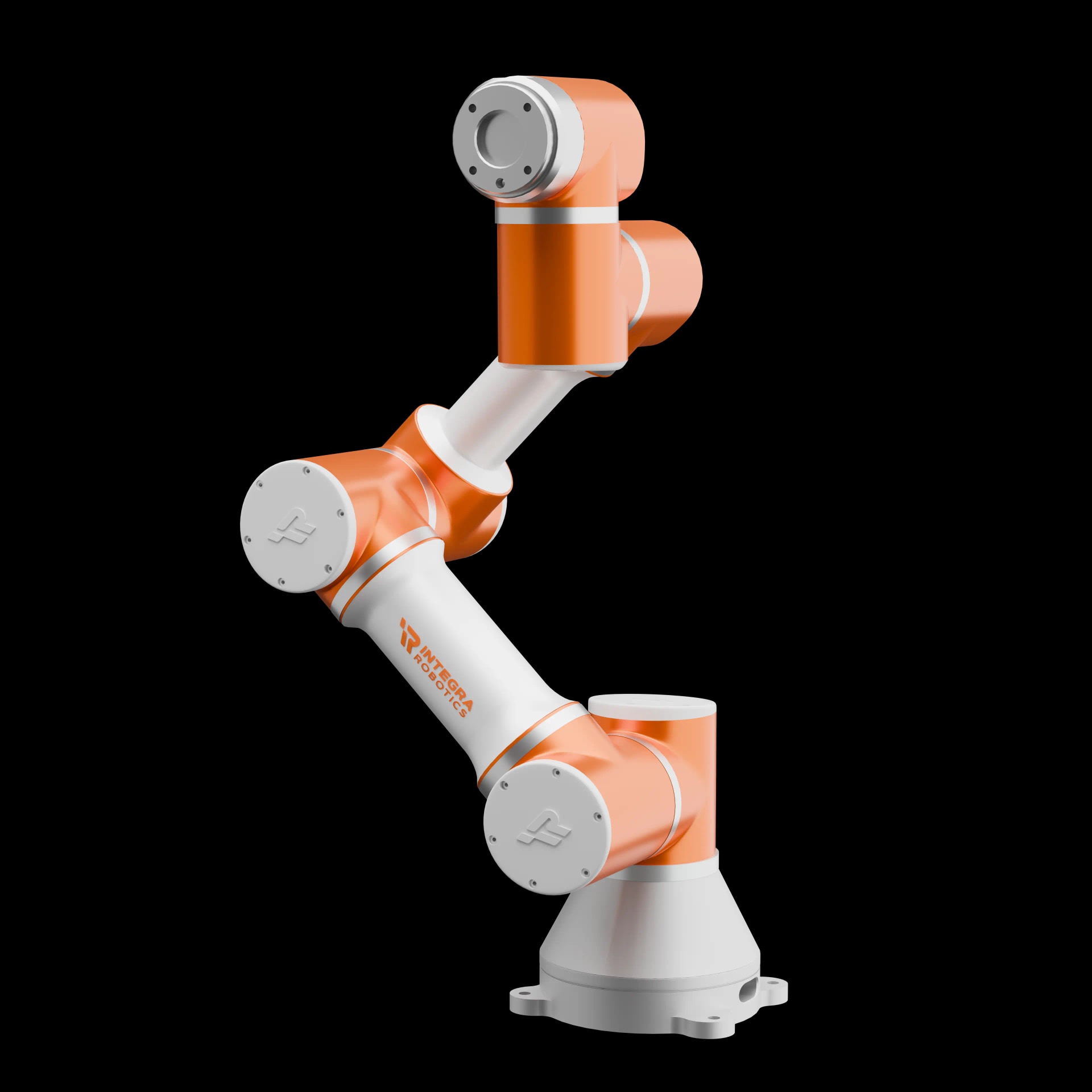
3 kg payload, 600 mm reach. Ideal for bench tops, tight spaces, and safe collaboration.
View specifications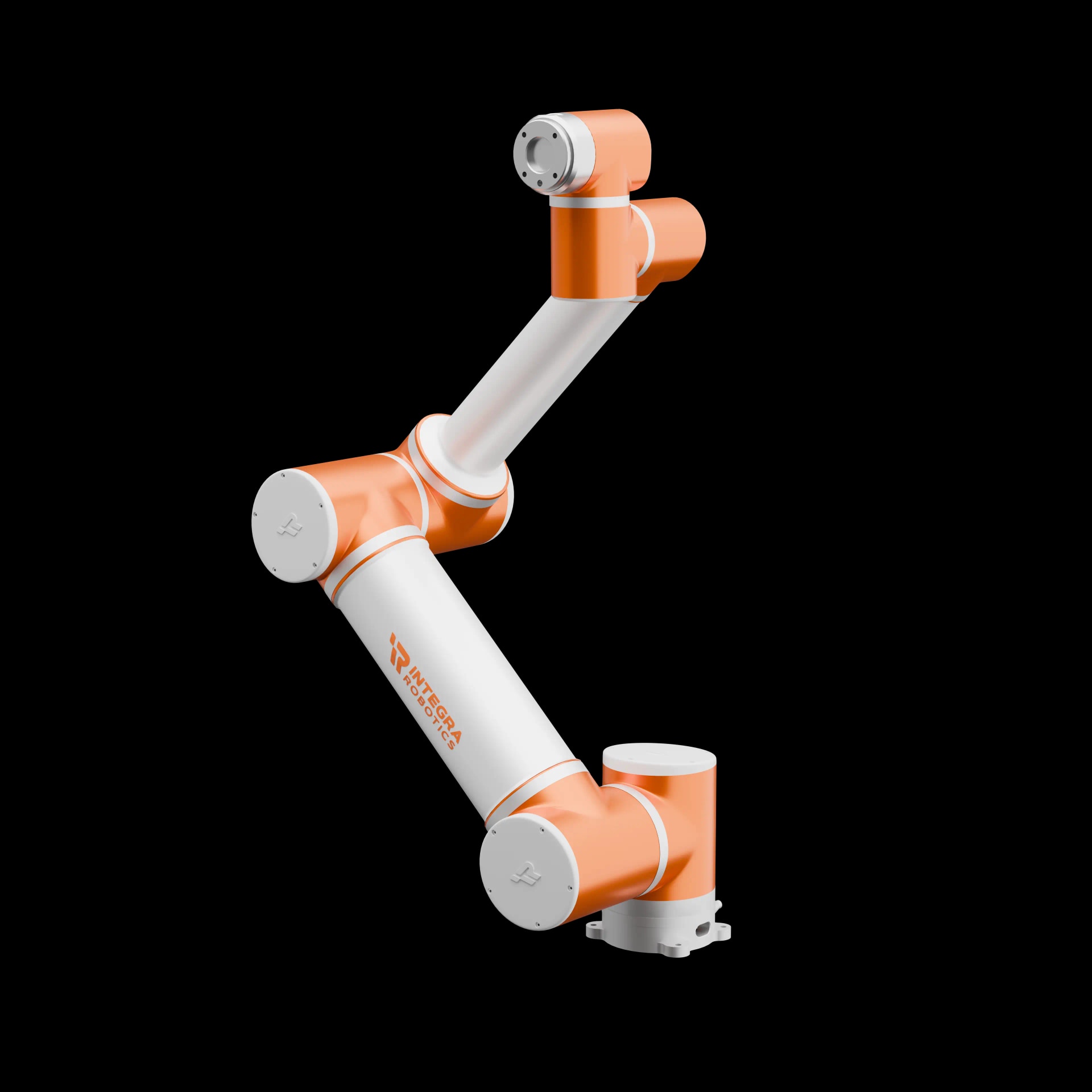
P5-R900
5 kg payload, 900 mm reach, built for medium work envelopes and high‑throughput handling.
View specifications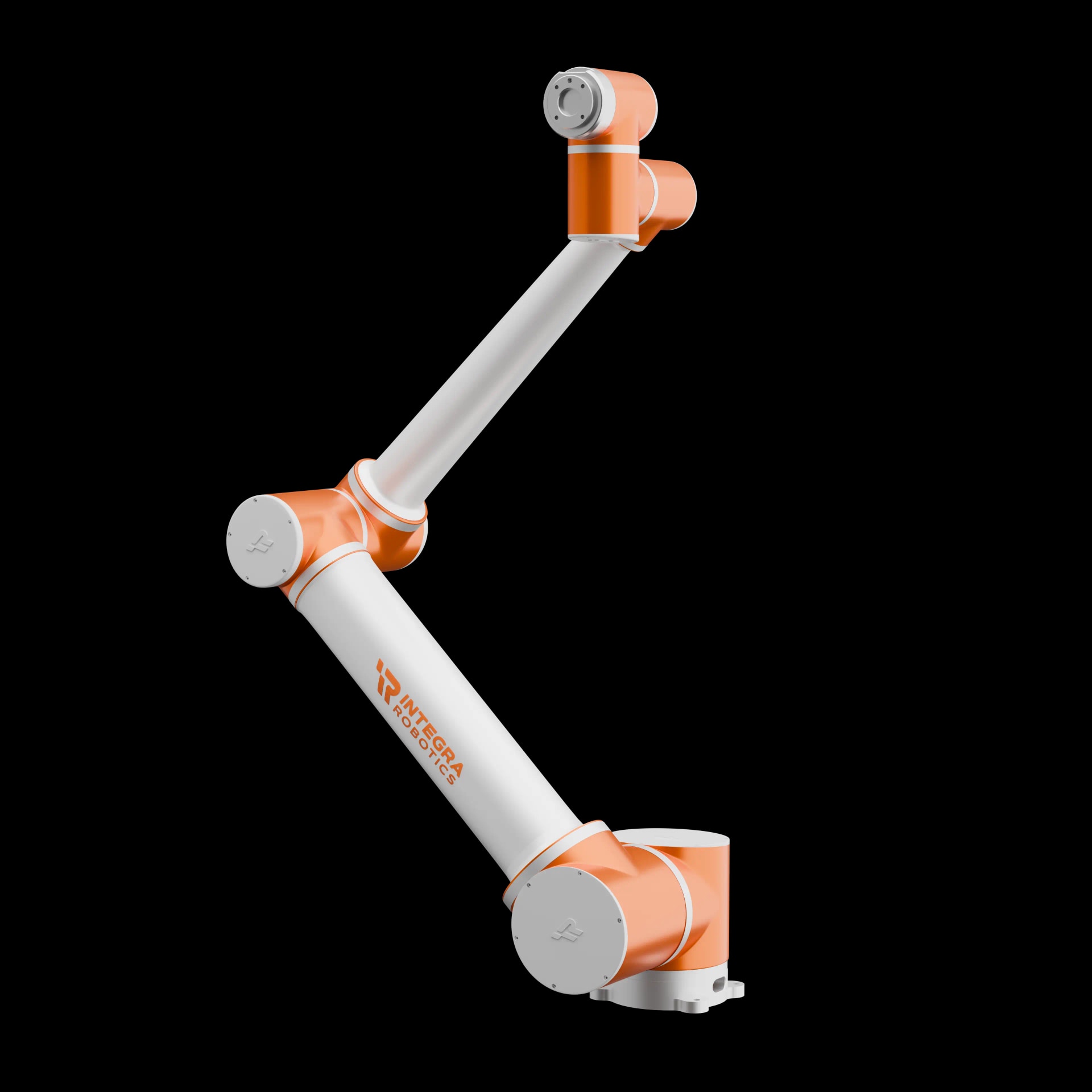
P10-R1300
10 kg payload, 1300 mm reach, ready for heavy handling and expanded work envelopes.
View specifications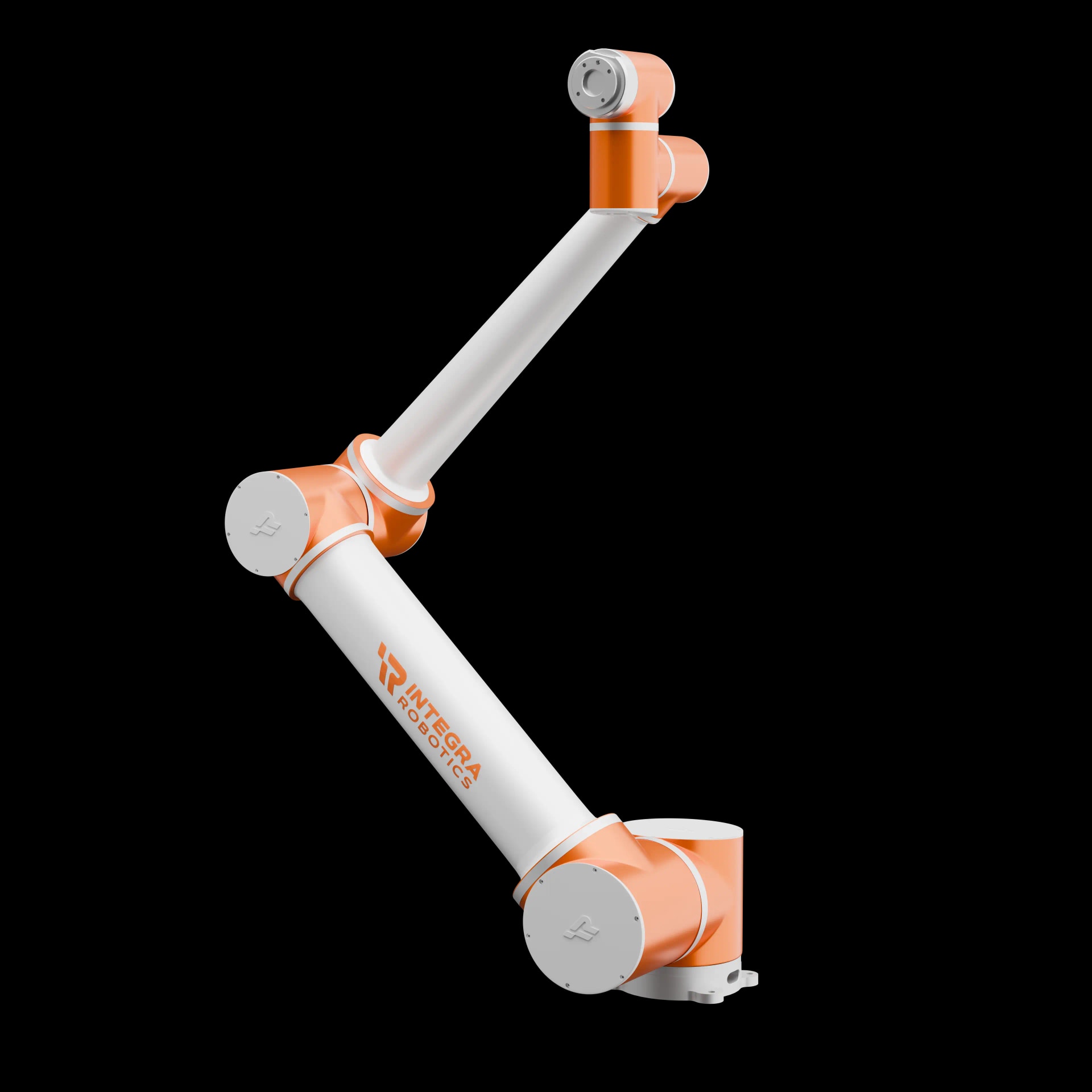
P20-R2000
20 kg payload, 2000 mm reach. Built for heavy picks and long reach placement.
View specificationsGET IN TOUCH
Discuss Your Automation Project
Have questions about this application or want to see if it fits your production line? Speak directly with our robotics engineering team.